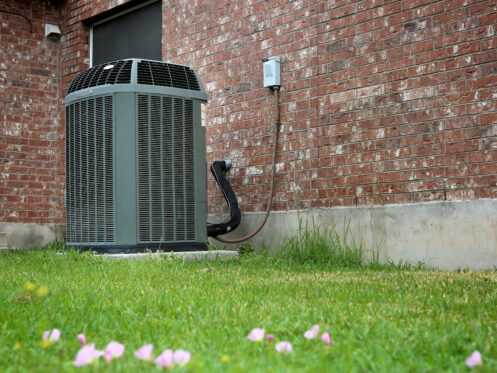
If you have an older, less efficient AC system, upgrading to a high-efficiency model can provide long-term benefits. Modern systems are designed to use energy more efficiently and deliver more consistent cooling. If you’ve been considering an upgrade, spring is an ideal time to plan your installation.
Benefits of Spring AC Replacement
An aging AC system is more likely to experience issues during peak summer conditions, and efficiency often declines over time—potentially leading to higher energy costs.
While installation can be completed year-round, scheduling your replacement in the spring offers several advantages:
- Improved cooling performance before peak summer heat
- Lower risk of mid-summer system failure
- More flexible scheduling availability
- Extra time to research and choose the right system
- Potential access to seasonal rebates and promotions
Summer is typically the busiest season for HVAC companies. Planning ahead in the spring gives you time to compare options, evaluate efficiency levels, and select a system that fits your needs and budget. Utility providers and manufacturers may also offer incentives during this time of year.
Signs It’s Time to Consider AC Replacement
Many homeowners miss early warning signs that their AC system may be nearing the end of its lifespan. If you notice any of the following, it may be time to consider replacement:
- Decreased cooling performance during hot weather
- Rising energy bills without a clear cause
- Long run times without reaching the set temperature
- Indoor air feeling humid or less comfortable
- Frequent repairs over the past few years
Routine maintenance can help your system run more efficiently and reduce the likelihood of unexpected breakdowns. However, even well-maintained systems eventually wear out. As issues become more frequent, replacement may be the more practical long-term option.
How to Choose the Right High-Efficiency AC System for Your Home
When selecting a new AC system, one of the most important factors to consider is the SEER2 rating. In Ohio, the minimum efficiency standard is 13.4 SEER2, while high-efficiency systems can reach up to 26 SEER2. Because higher ratings typically come with higher upfront costs, many homeowners choose systems in the 16–20 SEER2 range for a balance of efficiency and value.
Many high-efficiency systems feature two-stage or variable-speed compressors, which can help improve efficiency and maintain more consistent indoor temperatures. Single-stage systems operate at full capacity whenever they run, while two-stage and variable-speed systems adjust output based on demand for smoother performance.
At KW Lang Mechanical, we provide professional AC installation in Solon and the Cleveland area. We install reliable, high-efficiency Carrier products and can help you select a system that fits your home or business. To schedule an inspection or replacement consultation, contact us today.