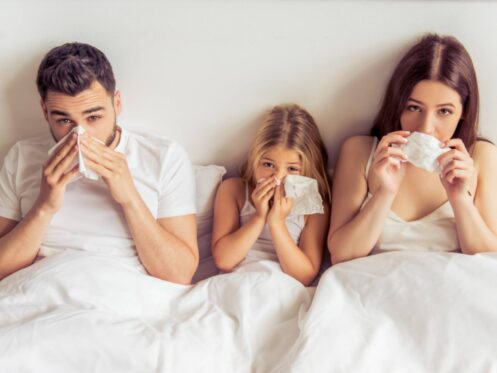
Allergy season in Ohio can seem never-ending. Pollen levels rise throughout spring, summer, and even early fall, while dust, pet dander, and other airborne particles can continue affecting indoor comfort year-round.
When allergens build up inside your home, it becomes harder to find relief. Fortunately, a few practical HVAC and home maintenance habits can help reduce indoor allergens and support better indoor air quality. To start, it helps to understand how outdoor allergens make their way indoors in the first place.
How Pollen Gets Inside Your Home
Pollen can enter your home in several ways. Open doors and windows allow outdoor air to move inside, while small gaps around windows, doors, and vents may also let allergens enter unnoticed.
Pollen can also cling to clothing, shoes, hair, and pet fur after time spent outdoors. Once inside, those particles can settle onto furniture, bedding, carpets, and other surfaces throughout the home.
Reducing indoor pollen often starts with limiting how much enters the home in the first place. From there, your HVAC system can play an important role in helping manage the particles that do make it inside.
Put Your HVAC System to Work
Your HVAC system plays an important role in circulating and filtering the air inside your home. As air moves through the system, the filter helps capture dust, pollen, and other airborne particles before the air recirculates.
Routine HVAC maintenance helps keep that process working effectively. A neglected system may experience restricted airflow, reduced filtration performance, and unnecessary strain on components.
Helpful HVAC maintenance steps include:
- Changing or cleaning filters regularly according to manufacturer recommendations
- Scheduling professional HVAC maintenance annually
- Keeping supply and return vents clean and unobstructed
- Having ductwork inspected if airflow issues are suspected
- Ensuring your HVAC system is properly sized for your home
When filters become clogged, airflow may decrease and your system may have to work harder than necessary. Regular maintenance can help support both comfort and system efficiency. For homes that need extra support beyond standard filtration, additional indoor air quality options may also be worth considering.
Related post: Importance of AC Maintenance
Consider Whole-Home Air Quality Solutions
Portable air cleaners may help improve air quality in smaller areas, but larger homes often require a more comprehensive approach. Depending on your home’s needs, whole-home indoor air quality products may help improve filtration and airflow throughout the house.
Some systems work alongside your HVAC equipment to help reduce airborne particles as air circulates through the home. A professional evaluation can help determine which solutions may be appropriate for your indoor environment. Even with the right HVAC and IAQ equipment in place, reducing the amount of outdoor air entering your home can make those efforts more effective.
Seal Gaps That Let Allergens Inside
Your HVAC system works more effectively when fewer outdoor pollutants enter your home. Sealing air leaks and small openings may help reduce pollen infiltration while also improving overall comfort.
Areas that may benefit from sealing include:
- Gaps around doors and windows
- Worn weatherstripping
- Openings around outlets and light switches
- Cracks near siding or foundations
- Gaps near vents, soffits, or window frames
Keeping windows closed during high pollen days may also help reduce the amount of outdoor allergens entering the home. Once you have limited common entry points, it is also important to manage the allergens that are carried indoors on people, pets, and everyday items.
Reduce Allergens on Indoor Surfaces
Pollen can easily spread throughout the home once it settles on clothing, shoes, and other surfaces. Taking a few simple precautions after spending time outdoors may help limit that transfer.
Leaving shoes near the door, changing clothes after outdoor activities, and washing hands or face afterward can help reduce the spread of allergens indoors. These habits may also help keep furniture, bedding, and flooring cleaner during peak allergy season. Since some particles will still settle throughout the home, regular cleaning is another important part of managing indoor allergens.
Clean Your Home Regularly
Routine cleaning plays an important role in managing indoor allergens. Carpets, rugs, upholstered furniture, and other surfaces can collect pollen and dust over time.
Vacuuming frequently and dusting surfaces regularly may help reduce buildup and improve overall indoor comfort. Consistent cleaning can also help prevent particles from continually recirculating through the air. If symptoms continue even with these habits in place, it may be time to look more closely at your HVAC system and overall indoor air conditions.
Breathe Easier This Allergy Season
Managing indoor allergens often involves a combination of good HVAC maintenance, airflow management, regular cleaning, and limiting outdoor pollutants from entering the home.
At KW Lang Mechanical, we help homeowners in Solon improve indoor comfort with dependable HVAC and indoor air quality services. Whether you need seasonal maintenance or want to explore indoor air quality solutions, our experienced team is here to help.
Contact KW Lang Mechanical today to learn how we can help you create a cleaner, more comfortable indoor environment.