If it’s time to upgrade your home’s HVAC system, consider a heat pump installation in Painesville, OH. KW Lang Mechanical installs both standalone and dual-fuel heat pumps. A new heat pump can significantly lower your month-to-month heating and cooling costs. You can also benefit from smart controls and many other advanced technologies.

Heat Pump Installation in Painesville, OH
12 Months Same As Cash Financing
On New Heating and/or Cooling Equipment with EcoHome™ Financing Program
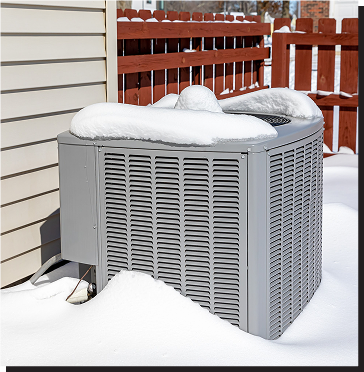
Custom Painesville Heat Pump Installation
Accurate sizing is the key to maximizing your budget. A heat pump that’s too small or too big will cost a lot more to run over the life of the equipment. We’ll determine that optimal size through a custom load calculation. It will account for your home’s floor plan and cubic footage. We can also account for location, building envelope, and other factors.
Once you know the ideal size for your new heat pump, we can explore energy-efficiency ratings in that category. For heat pumps, the industry uses SEER2 to measure cooling efficiency and HSPF2 to measure heating efficiency. The higher those ratings are, the less expensive a heat pump will be to run throughout the summer and winter.
Some of the other features we can help you explore include noise output and air filtration. The typical heat pump is between 40 and 60 decibels, but quieter units are available. They can be worth the added investment in certain installation scenarios. For filtration, it’s important to look at what MERV level a heat pump supports. A MERV 13 filter, for instance, can make a big difference in air quality over a standard MERV 8 filter.
We also recommend upgrading your thermostat as part of your heat pump installation. A compatible programmable thermostat can lower annual heating and cooling costs by up to 10% through scheduling. Smart thermostats offer remote access and additional features that can help you save. Those may include energy monitoring and rate awareness.
A new heat pump offers many potential benefits.
- Rebates and other energy incentives
- Reduced energy bills and carbon footprint
- Faster and more even heating and cooling
- New standard and extended warranty coverage
- Better humidity control and overall indoor air quality

Install a New Heat Pump
Our company has been serving Lake County since 1927. We are proud to be the oldest Carrier dealer in Ohio, but we partner with other leading heat pump brands as well. Those include Goodman, Lennox, Rheem, RUUD, and Trane. In-person installation consultations and estimates are available without charge or obligation. During your consultation, we can explore energy incentives and discuss financing available on approved credit.
To schedule an in-home consultation for heat pump installation in Painesville, call KW Lang Mechanical or contact us online.
See What Our Customers Are Saying!
See More Reviews
We've been using KW Lang for a few years now. They've installed new air conditioning units, and we also rely on them for spring and winter tune-ups. I've liked all the technicians who have come here. They are always timely, friendly, and efficient. I highly recommend KW Lang, a full-service heating and air company.
Contact the professionals
We look forward to assisting you in caring for your heating system and making sure you have the best possible results.
If you’re in need of commercial and industrial preventative maintenance, we can help with that too. Contact us today to learn more.





©2026 KW Lang Mechanical
Web Design and Internet Marketing by RYNO Strategic Solutions
All Rights Reserved
License: #44835
Privacy Policy
All Rights Reserved
License: #44835
Privacy Policy